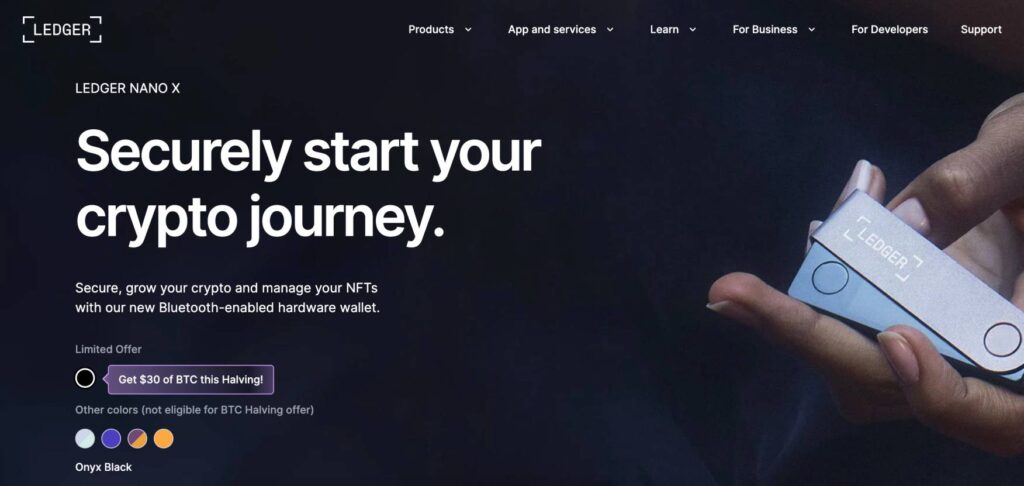
Getting Started with Ledger: A Comprehensive Guide
Ledger hardware wallets are specialized devices designed to provide a secure way to store and manage your cryptocurrency assets. Unlike software wallets that live on your computer or phone, hardware wallets like Ledger isolate your private keys in a secure environment, protecting them from malware, phishing, and other common online threats. This guide will walk you through everything you need to know to safely set up and use your Ledger device.
1. Unboxing Your Ledger Device
When you first receive your Ledger device, ensure the package is sealed and has not been tampered with. Ledger devices are shipped with the device itself, a USB cable, a recovery sheet, and instructions. Do not use a device that appears damaged or if the packaging looks suspicious. Ledger emphasizes that all initial setup should be done using only the official Ledger hardware and software to avoid compromising your funds.
2. Initial Setup
Begin by connecting your Ledger device to a computer or smartphone. Depending on the model, the connection may be via USB-C, USB, or Bluetooth. Once connected, you’ll be prompted to power on the device. Ledger devices have a small screen and buttons that allow you to navigate menus securely. The first action is to choose between setting up a new device or restoring an existing one. If you are new to Ledger, select the option to set up as a new device.
3. PIN Code Creation
Next, you will be asked to create a PIN code. This code acts as the first layer of security in case your device is lost or stolen. Choose a PIN that is easy for you to remember but difficult for others to guess. Avoid simple sequences or repetitive numbers. The device will require you to confirm your PIN by entering it twice.
4. Recovery Phrase
The recovery phrase, also known as the seed phrase, is the most crucial part of your Ledger setup. Ledger will generate a 24-word recovery phrase, which acts as the master key to access your cryptocurrencies if your device is lost or damaged. Write down each word in order on the recovery sheet provided. Ledger strongly advises never storing this phrase digitally, in emails, or in cloud storage. Physical copies should be stored securely, ideally in a fireproof and waterproof location.
5. Confirming Your Recovery Phrase
After writing down your 24-word recovery phrase, the device will prompt you to confirm it by selecting the words in the correct order. This step ensures that you have accurately recorded the phrase and can restore your wallet if needed. Never share your recovery phrase with anyone. Ledger employees, or anyone claiming to be support, will never ask for it.
6. Installing Ledger Live
Ledger Live is the official companion application for managing your Ledger device. It allows you to install apps for specific cryptocurrencies, monitor balances, send and receive funds, and perform firmware updates. Download Ledger Live only from the official Ledger website and install it on a trusted device. Avoid third-party downloads, as malicious software can compromise your wallet.
7. Adding Accounts and Apps
Within Ledger Live, you can add accounts for supported cryptocurrencies. Each cryptocurrency requires its dedicated app to be installed on the device. Ledger Live provides a step-by-step interface to install apps and link them to accounts. Once accounts are added, you can view your balances, transaction history, and receive addresses. This modular approach keeps your wallet organized and secure.
8. Sending and Receiving Cryptocurrencies
To receive funds, generate a receiving address from your Ledger device using Ledger Live. Always verify the address displayed on the device screen itself to avoid phishing attempts or malware on your computer altering it. When sending funds, confirm the transaction details on the device screen, not just the computer. This ensures that your private keys never leave the hardware wallet and that transactions are secure.
9. Firmware Updates
Ledger devices occasionally receive firmware updates to improve security or functionality. Updates must be performed through Ledger Live. Before updating, ensure your recovery phrase is safely backed up. Do not perform updates on an untrusted or compromised computer. Ledger Live will guide you through the process, and your cryptocurrencies will remain secure as long as the recovery phrase is protected.
10. Best Security Practices
Never share your PIN or recovery phrase.
Be cautious of phishing websites or emails pretending to be Ledger. Always access Ledger Live directly through the official site or app.
Avoid storing your recovery phrase online or in digital formats.
Keep your device physically secure and consider additional protective measures like a safe or lockbox.
Regularly check for firmware updates and Ledger Live updates to maintain optimal security.
11. Troubleshooting and Support
Ledger provides a range of support materials, including tutorials, FAQs, and troubleshooting guides. If your device is malfunctioning or lost, your 24-word recovery phrase allows you to restore access on a new Ledger device. Never provide your recovery phrase to anyone offering help; official support will guide you without requesting sensitive information.
12. Advanced Tips for Users
For users managing large crypto holdings or multiple cryptocurrencies, consider:
Using multiple devices for redundancy.
Splitting recovery phrases across secure locations.
Regularly reviewing transactions to detect unauthorized activity.
Educating yourself on the specific security requirements of each cryptocurrency, as some have unique protocols or considerations.
Conclusion
Setting up a Ledger hardware wallet correctly is a critical step in protecting your cryptocurrency. By following best practices, securely storing your recovery phrase, and using Ledger Live responsibly, you can maintain full control over your assets while minimizing risk. Ledger devices provide a combination of convenience and security that software wallets cannot match, making them an essential tool for anyone serious about cryptocurrency management.